Each year CBCS invites applications for its Small Grants Scheme, open to people of all career levels who are working on conservation at the University of Queensland. Dr Wilma Blaser Hart, CBCS’s Deputy Director of Research explains that “the CBCS Small Grants Scheme supports research, skill development, and collaboration across our community. It is designed to help people develop new ideas, build practical skills, and work together on projects that can lead to tangible conservation outcomes.”
Wilma highlights that the CBCS Small Grants Scheme focuses on funding shared activities such as workshops, training, and collaborative projects. “The scheme aims to create opportunities that go beyond individual research and benefit the broader CBCS community,” she says. “This year, we funded nine projects that reflect this breadth, from applied conservation of threatened species to projects on behaviour change, environmental justice, and researcher wellbeing,” Wilma says. “We are also continuing to support key community initiatives like the CBCS coding club, alongside new work spanning storytelling, decision-making, marine conservation, and the use of animal tracking data. Together, these projects highlight the value of combining different disciplinary approaches to deliver effective conservation outcomes.”
Learn more about the awarded projects below.

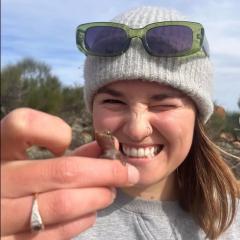
Eloise Tighe
Grant title: Knowledge exchange to save Australia’s most threatened reptiles
“A cross-jurisdictional workshop will bring together researchers, government recovery teams, and conservation practitioners from Queensland, the ACT, New South Wales, and Victoria to improve conservation outcomes for Australia’s most imperilled reptiles, the grassland earless dragons (Tympanocryptis spp.). Held at Hidden Vale Research Station, the meeting will strengthen collaboration, share knowledge across states, and identify priority actions to support recovery planning and conservation of these threatened species.”

Shu Chen and John Robert Pearce
Grant title: From Connection to Conservation: Mapping Interdisciplinary Approaches to Conservation Behaviour Change in Zoos
“Zoos welcome millions of visitors every year, but what if each visit could spark meaningful pro-conservation attitudes and behaviours? Supported by the CBCS small grant, we’re bringing together interdisciplinary researchers and zoo partners to connect research with practice. Together, we’ll dig into what we know about conservation behaviour change in zoo settings (what works, in what contexts, and why) and build pathways to design and test communication approaches that could go beyond a single zoo or species.”

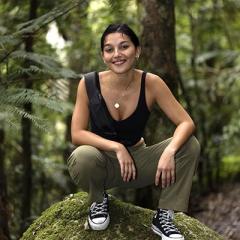
Samantha Wong-Topp
Grant title: Taking a justice-centred approach to urban ecology, planning and conservation
“Bringing together scientists from Australia and abroad, this project will introduce the CBCS community to environmental justice-informed approaches to ecology, urban planning, and conservation science. We will hold a capacity-building event to highlight how accounting for social inequities in these research disciplines is not an added burden, rather a necessary step towards creating healthier, more inclusive, and resilient urban environments. We will also hold an interactive workshop to explore practical pathways for applying these approaches across disciplines and career stages. The project will culminate in a suite of recommendations to support wider uptake of justice-centred approaches across ecology, planning, and conservation science communities.”
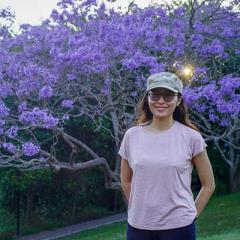
Dr Tania Kenyon
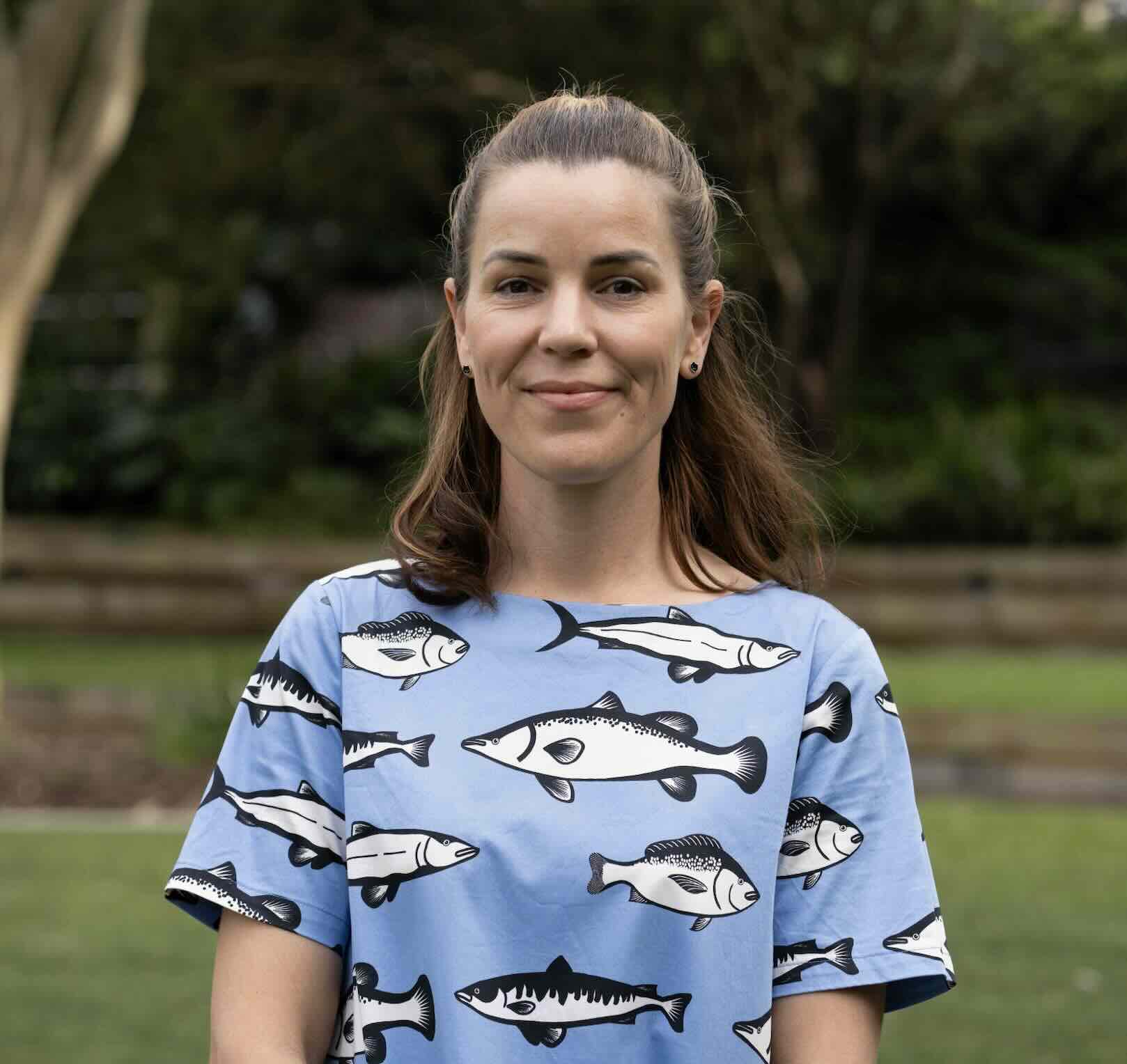
Grant title: Things are bad – but are they that bad? Reframing conservation scientists’ internal and external dialogues to support mental health and sustain effective action
“This workshop is a reflection on our internal and external dialogues and how those messages affect the emotional states of ourselves and those around us. This has ripple effects to society’s level of understanding and engagement around climate change and biodiversity loss, which ultimately impacts environmental outcomes.”
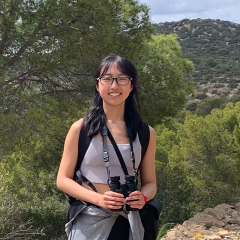
Angela Liu
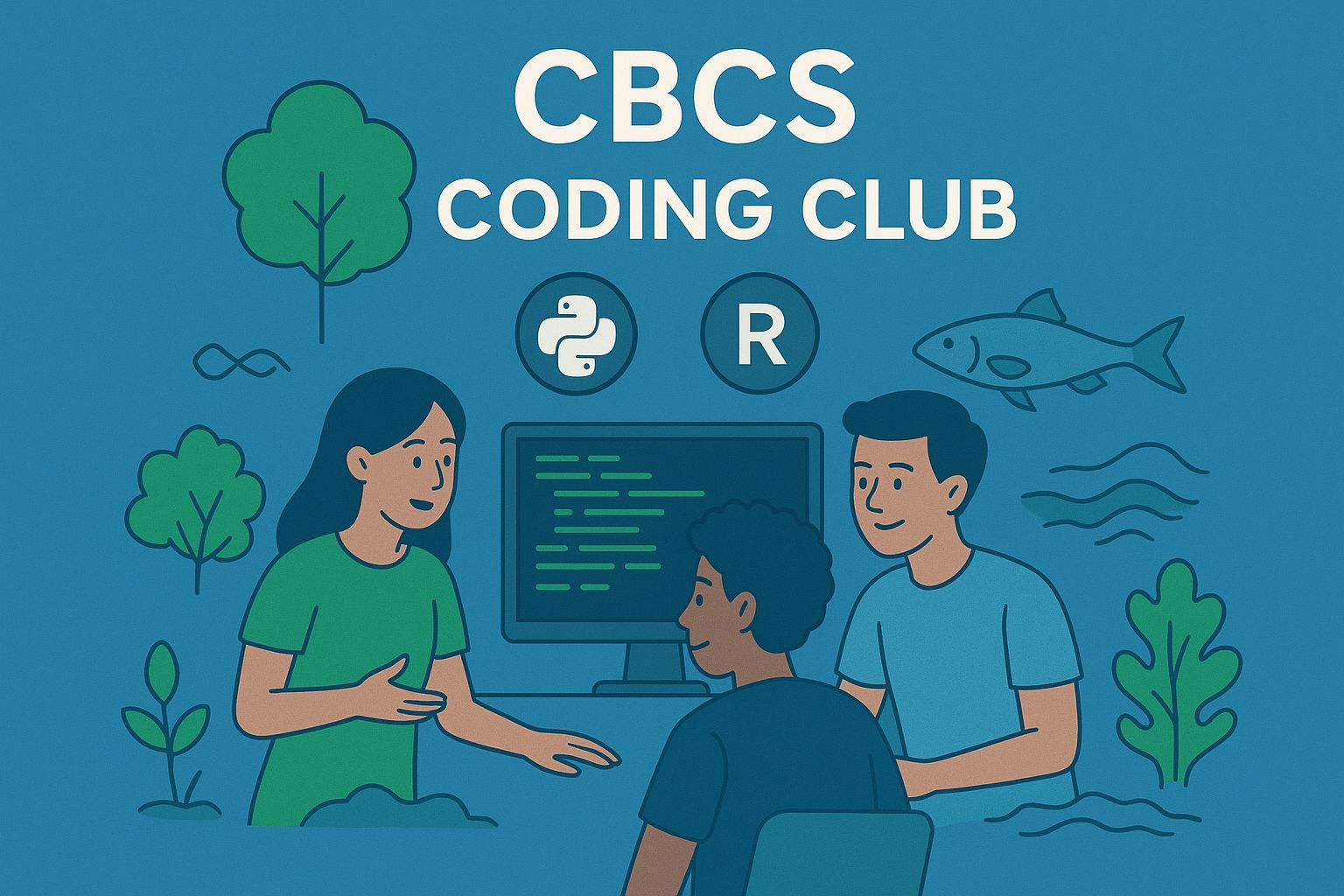
Grant title: Coders for Conservation: Hacking the Planet for Biodiversity Solutions
"The Coders for Conservation project supports the CBCS Coding Club, a student-led group that aims to provide a common space for coding and programming geeks and enthusiasts alike to interact and share their passion about coding. The CBCS Coding Club comprises Higher Degree by Research (HDR) students and Early Career Researchers (ECRs) in the Centre for Biodiversity and Conservation Science (CBCS) as well as the School of the Environment (SENV) at the University of Queensland. The club’s vision is to provide a space for the gathering of like-minded coders and programmers in the fields of conservation and environmental science regardless of their levels of coding expertise."

Lamuel Chung
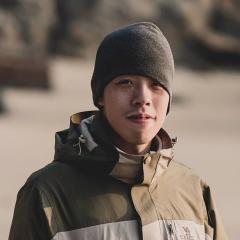
Grant title: CBCS Visual Storytelling Initiative: Cinematic Media for Conservation Impact
“Science communication is essential for conservation because it helps important research connect with the people who can act on it. This project will help CBCS members build skills in visual storytelling, a creative way to share science that goes beyond traditional methods like media interviews or press releases. By learning to use visual media such as photos and short films, CBCS researchers can bring their work to life and share it with a wider audience. The project will include a hands-on workshop introducing the basics of creative storytelling, a series of short documentaries showcasing CBCS researchers and their projects, and a collection of professional fieldwork photographs. These new communication tools will strengthen CBCS’s online presence, helping it reach new partners, funders, and students who are passionate about conservation.”

Dr Luz Pascal
Grant title: An introduction to sequential decision-making for conservation problems
"While many quantitative ecologists are familiar with optimization techniques for spatial prioritization (e.g. MARXAN, prioritizr), they are often less familiar with optimal sequential decision-making that account for uncertainty and change through time. In this workshop, we will highlight the similarities and differences between these two optimizations and introduce algorithms to solve sequential decision-making problems. Participants will have the opportunity to implement these newly learnt techniques in two tutorials and to identify possible collaborations in a drop-in session."
Tin Buenafe
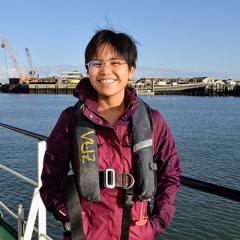
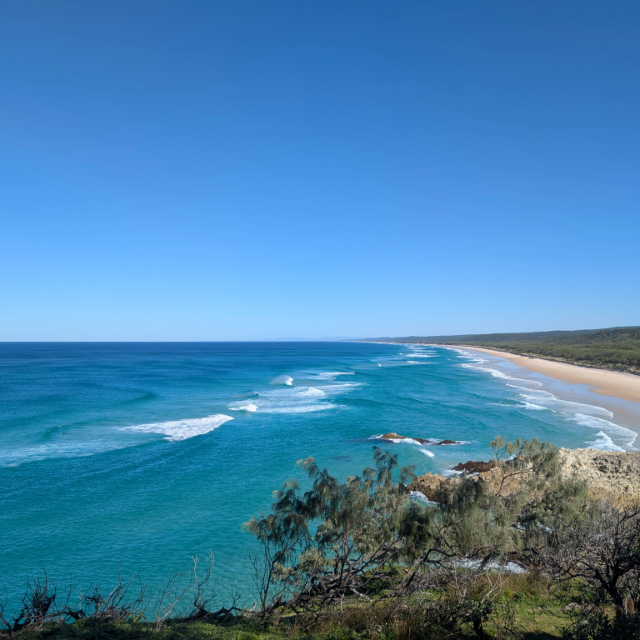
Grant title: Borderless oceans: what does it take to conserve and sustainably manage the high seas?
“The ocean and the critters living in them know no boundaries. There are no geographical and political jurisdictions, no gates and fences — just blue. While the world has very slowly conserved the ocean, most of our attention is heavily biased towards areas closer to the coasts, closer to country’s exclusive economic zones. Understandably so… we can only conserve what we know. Through this event, I, along with a few other invited panellists that work in this space, will demystify high seas conservation. Fundamentally, we will talk about what it takes to conserve and sustainably 60% of our global oceans and more than half of our planet.”

Dr Lily Bentley
Grant title: Bringing animal tracking data from ecological research to applied conservation outcomes
“We will bring together Australia’s movement ecology community for a two-day workshop to discuss how best to leverage animal tracking data for effective conservation outcomes. This grant will facilitate both the design and development of a collaborative national network and discuss how to integrate with international efforts towards the same goals.”